Limen
TOOLKIT: Figma, Blender 3D, 3D Printing, Adobe Premiere Pro
Interactive device
Multisensory Experience
Object-based Interaction
Overview
Limen is a tool for sensory cross-pollination and lateral thinking. It treats our habit of finding meaning in coincidence and noise—often called apophenia—as a design material: not a mistake to correct, but a muscle to exercise with care.
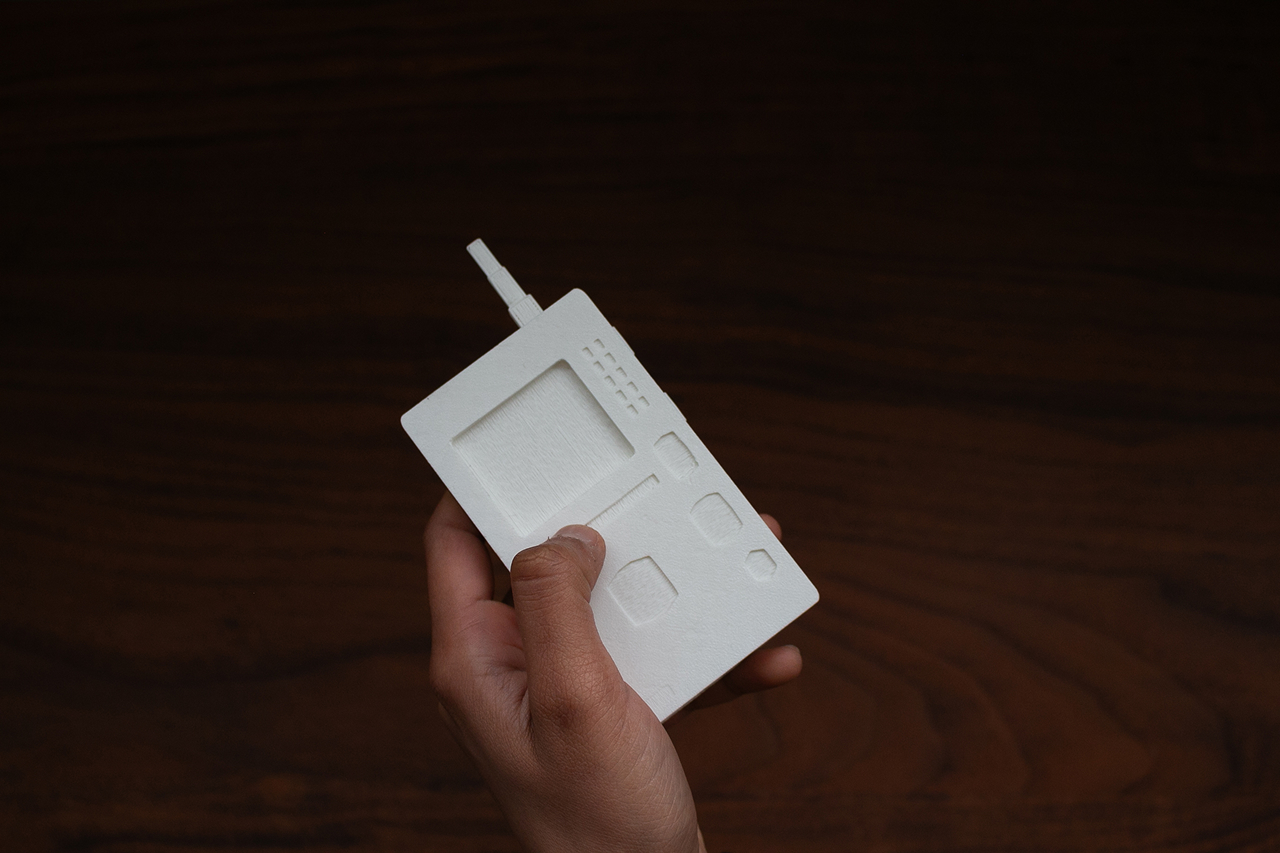
Many creative and technological tools keep people in closed, screen-bound loops. Limen instead functions as a spatial device. It uses where you are, what time it is, and the weather as lightweight context to generate multi-sensory prompts.
These prompts bridge senses you rarely stack on purpose—color, sound, scent, texture, objects, movement, shadow, even people nearby. There is no single “correct” interpretation; the goal is richer noticing and odd parallels while you move.
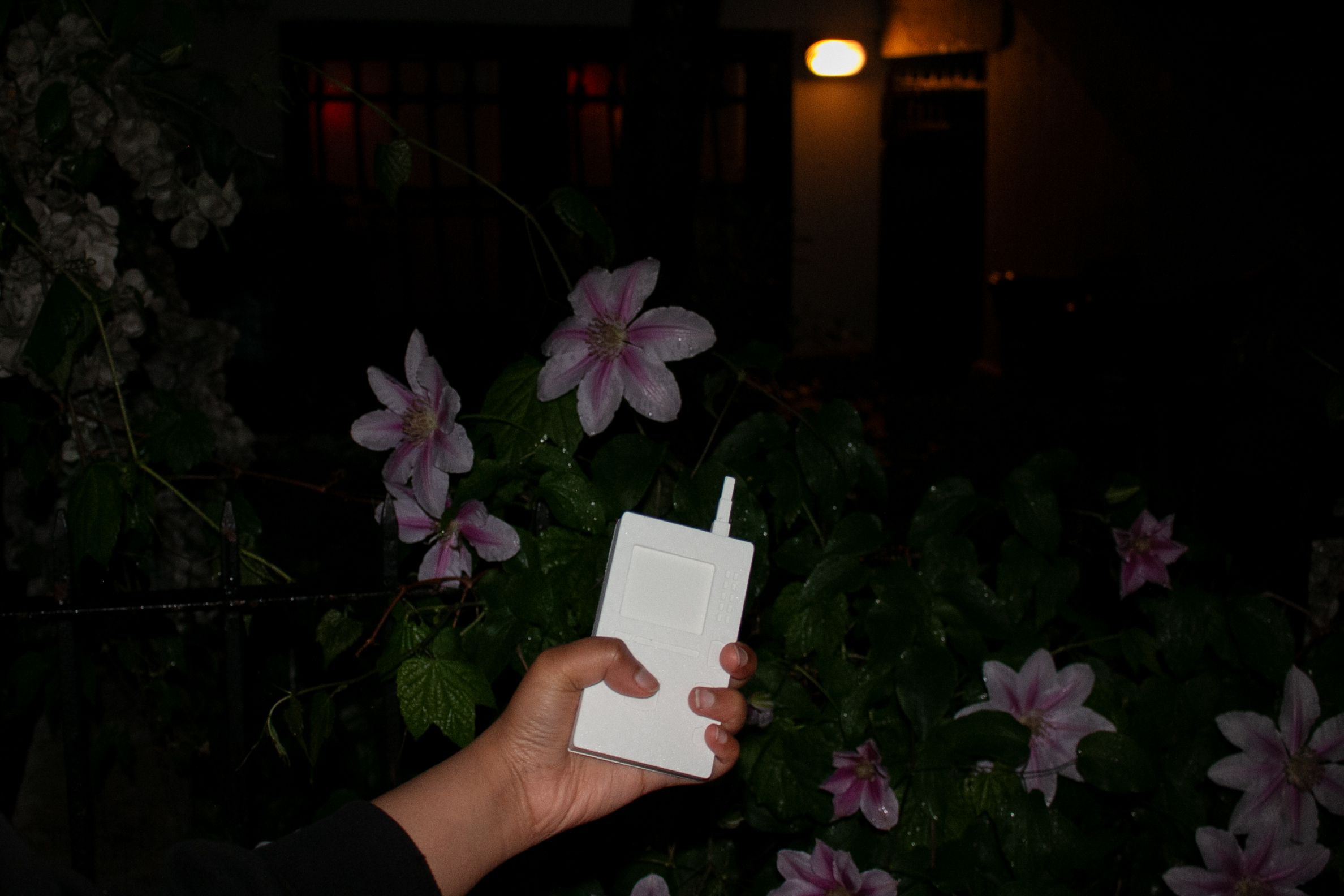
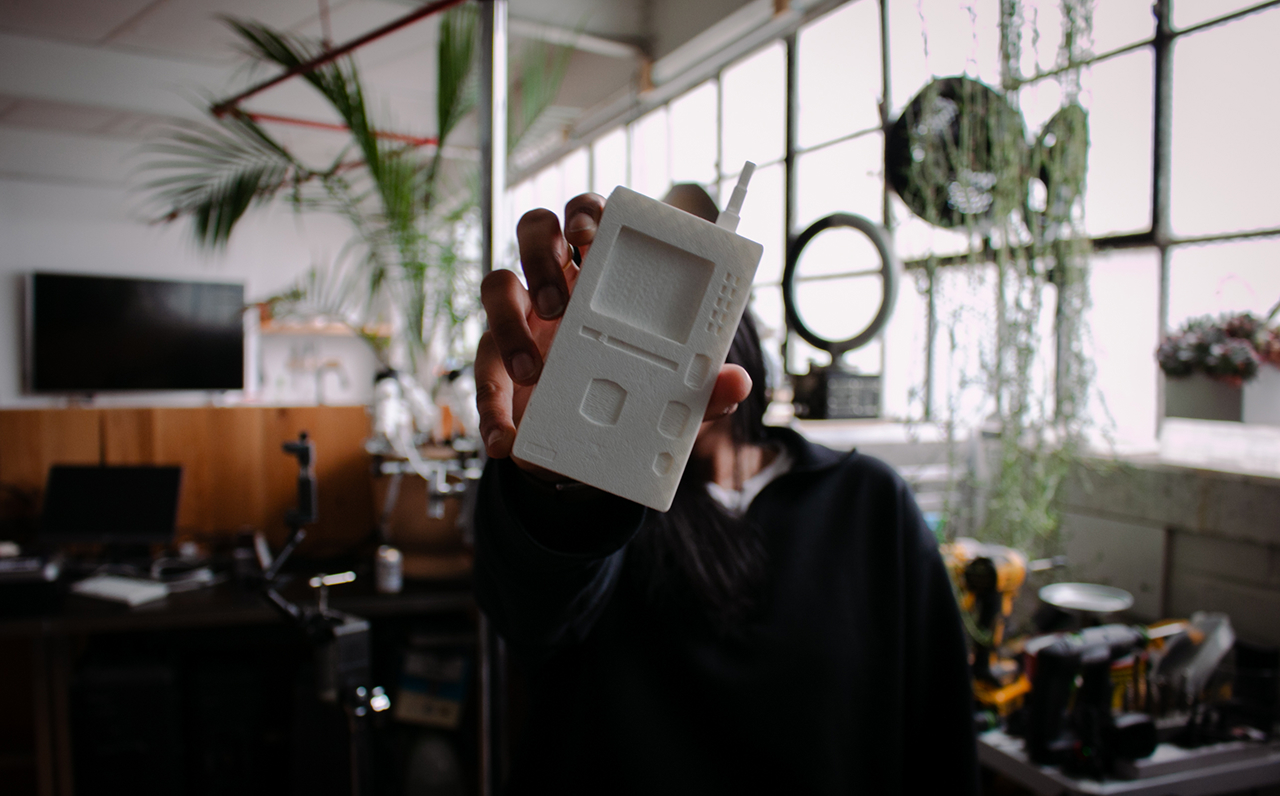
Object Design
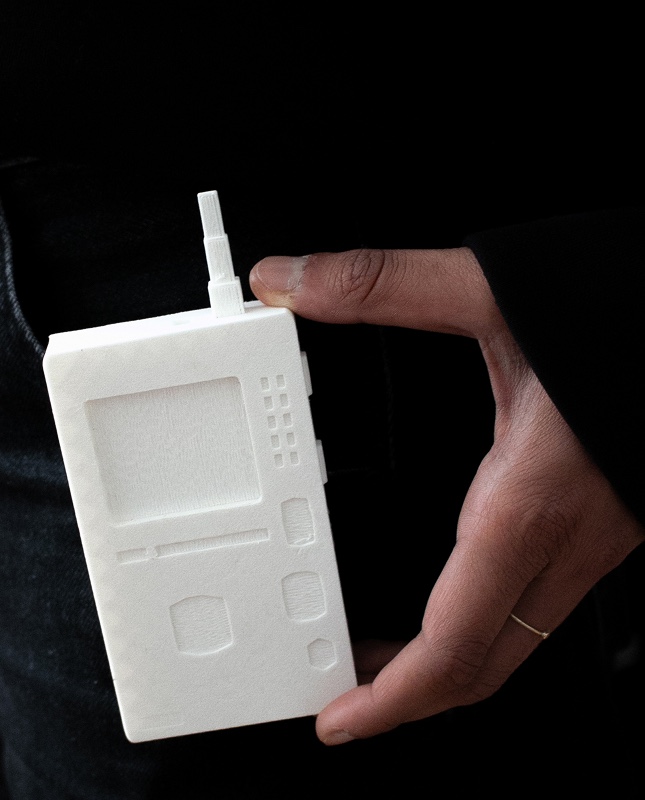
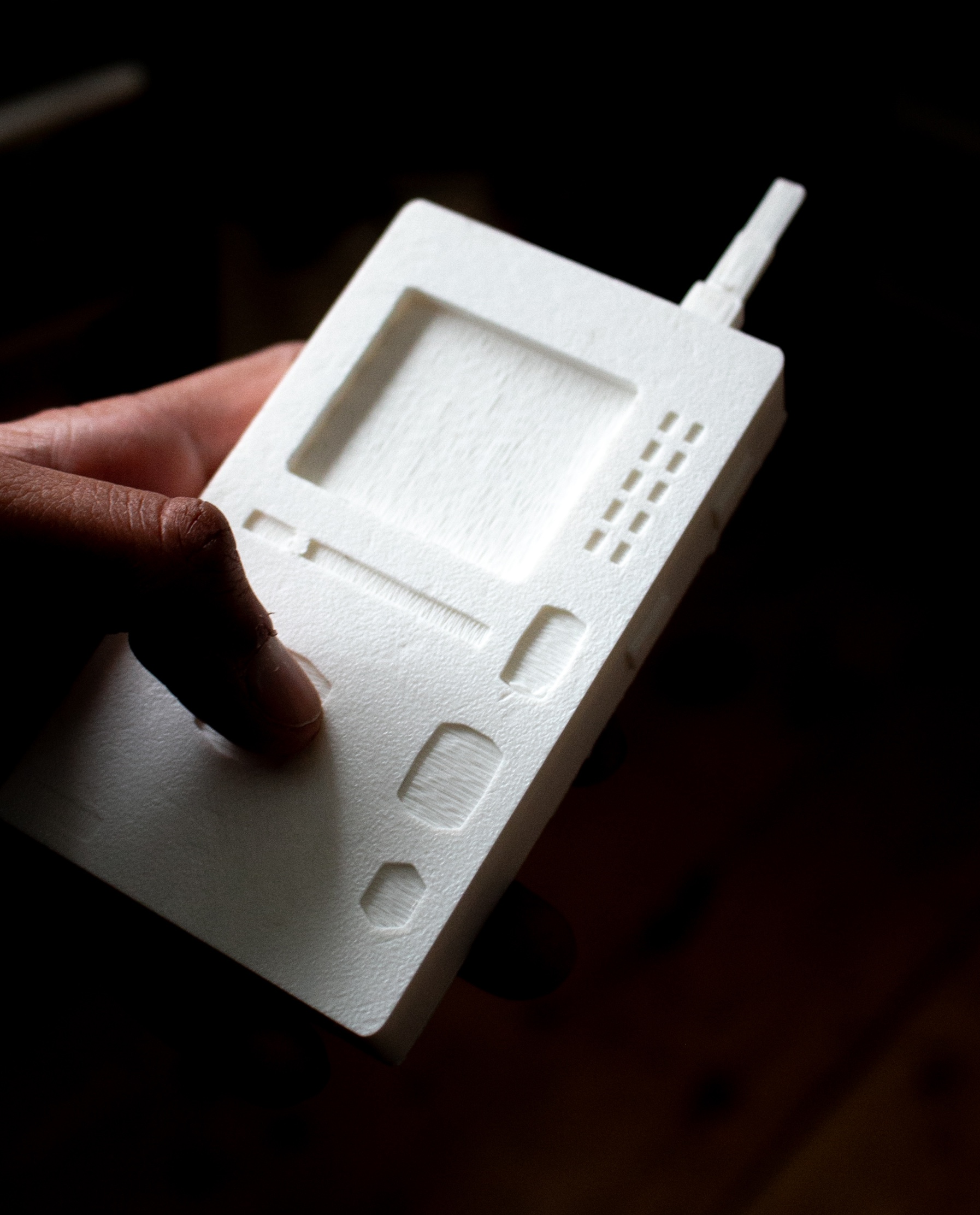
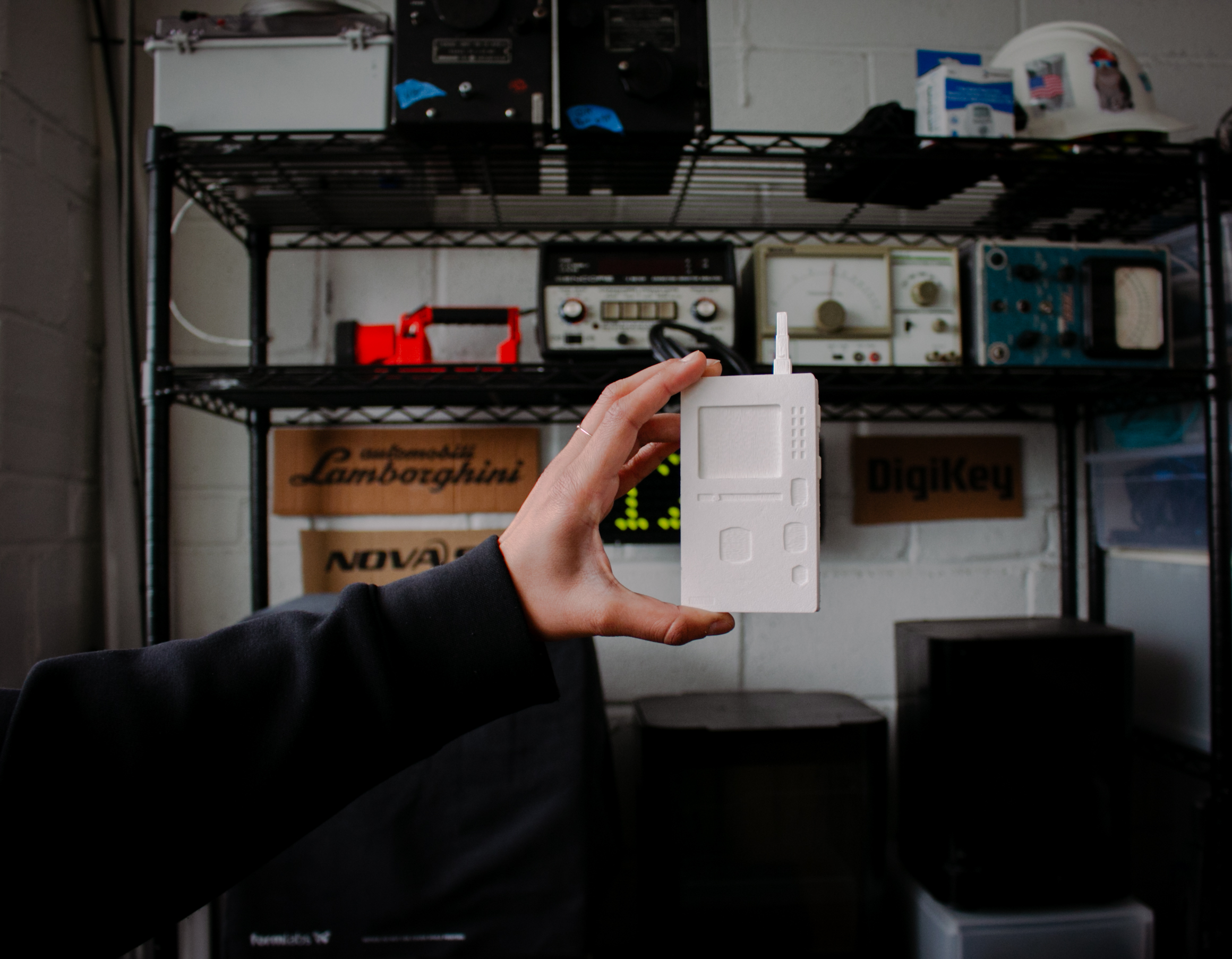
The object is designed to be either buckled on or held in your hands as you navigate a space, offering signals and prompts throughout. It uses sound and haptic feedback to deliver prompts and capture observations. Additionally, you can toggle between various prompt categories.
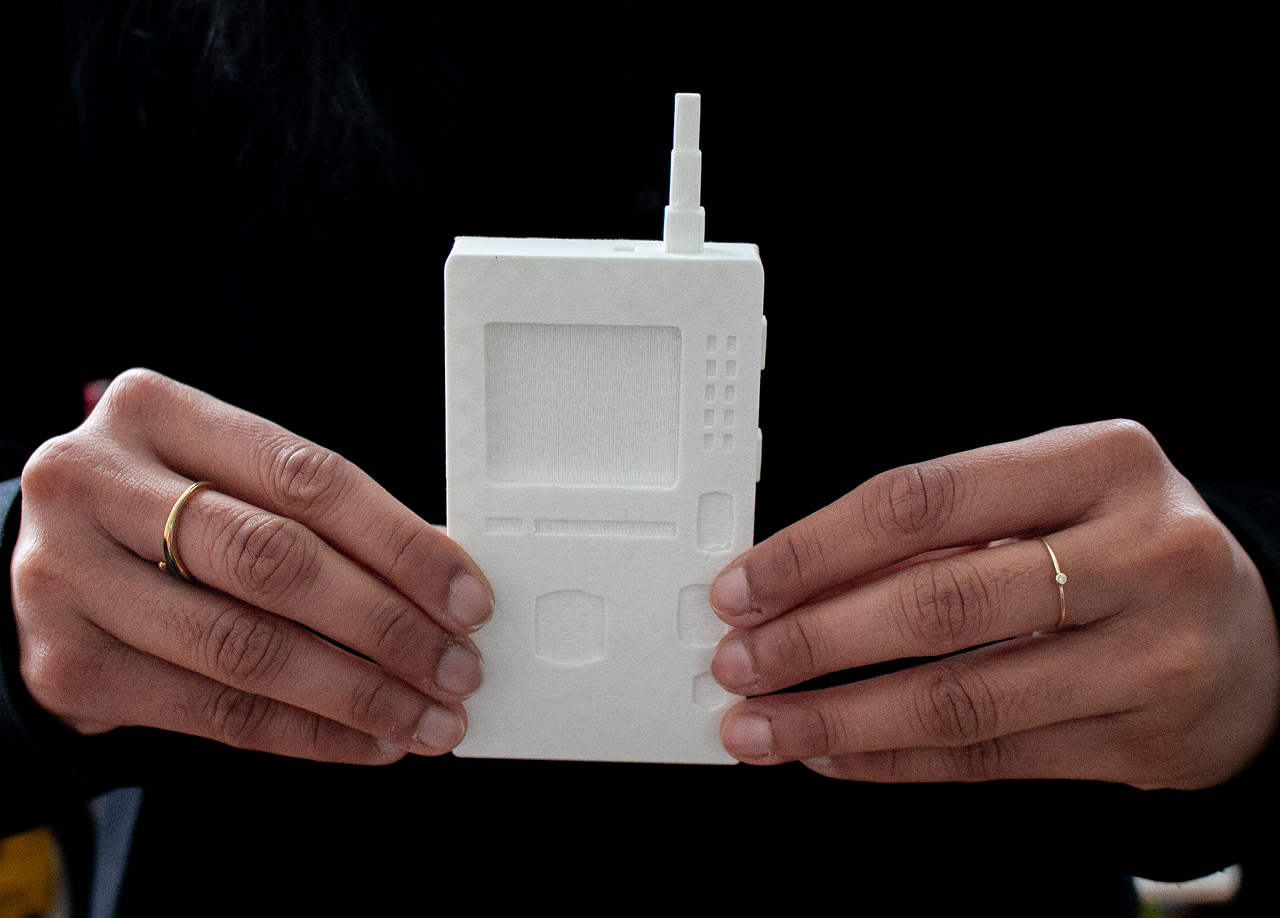
Prompting
The prompts read like small field exercises and the device further helps you record your field notes. Some prompt examples include seek something soft that appears hard and something hard that appears soft, then touch both surfaces. Alternatively, catch a fragment of a stranger’s voice and discern whether it feels like sandpaper, velvet, or glass. Then, find a material in the environment that matches the texture of their tone.
You can also find three things moving at different speeds (a cloud, a swaying branch, a person walking) to try and determine the ‘BPM’ (Beats Per Minute) of the park. Is the park playing a slow jazz song or a frantic techno beat? Together, these exercises turn ordinary places into a geography of quiet intersections—rhythms and textures that were always there, but easier to hear once the threshold moved.